

- AI reproduces and amplifies existing social biases (stereotypes, discrimination)
- Biased training data produces discriminatory algorithms (for example in facial recognition, or in the screening of applications from women with darker skin)
- Rigorous data preparation is essential to responsible AI
- Deepfakes threaten trust and call for regulation designed for them
- AI ethics must protect human autonomy so that its potential for transformation can be released
The phased entry into force of the AI Act marks a turning point in how artificial intelligence is governed in Europe.
The phased entry into force of the AI Act marks a turning point in how artificial intelligence is governed in Europe. This unprecedented legal framework sets out to keep a closer watch on high-risk systems, among them facial recognition, recruitment algorithms and social scoring, while laying the ground for a more ethical and responsible development of AI.
The regulation raises awareness of the need to develop technologies that respect the environment and society.
And the challenges ahead go well beyond regulatory compliance. At a time when generative technologies are being deployed on a massive scale, algorithmic bias continues to reproduce social stereotypes, while deepfakes, increasingly sophisticated, weaken trust in information and in institutions.
The rise of AI also raises major environmental questions: the best-performing models demand considerable energy resources, often incompatible with the climate commitments organisations have made. These questions meet those of CSR, which now includes algorithmic transparency, data protection and the carbon footprint of digital solutions. They are crucial if AI is genuinely to serve human and organisational potential.
Between algorithmic bias, facial recognition and manipulation
The rapid arrival of artificial intelligence in everyday life has generated considerable enthusiasm, promising significant advances in many fields. Behind this technological revolution, however, lie crucial ethical challenges that deserve sustained attention, because they touch on the very nature of our interaction with technology and its effect on people.
From the distortion of social representations by algorithmic bias to concerns about discriminatory facial recognition, by way of the rise of deepfakes and their capacity to manipulate information, this article looks at the social risks tied to the growing use of artificial intelligence, and at the need for an informed approach to keeping them in check.
1. Algorithmic bias: when AI reinforces stereotypes
Image generators reproduce clichés
Recent breakthroughs in artificial intelligence, and image generators in particular, have been met with widespread enthusiasm. Behind the neutral façade of these tools, however, lie algorithmic biases capable of exerting a significant influence on how we perceive society.
A telling example of this problem emerged with the campaign run by Heetch, a French ride-hailing company, entitled “Greetings from la banlieue”.
The campaign calls out the clichés about the banlieues spread by Midjourney’s AI. Faced with the word “banlieue”, the image generation algorithm produces representations that distort reality. They are often steeped in negative stereotypes. This situation brings a wider issue to light. Algorithmic bias in AI systems can influence how we perceive social groups. And in doing so it helps to reinforce prejudice.
An influence on social perception
This situation brings a wider issue to light. Algorithmic bias in AI systems can influence how we perceive social groups. And in doing so it helps to reinforce prejudice.
Faced with these challenges, a more critical and proactive approach to the development and use of artificial intelligence is essential. It begins with closer attention to the quality and representativeness of training data, a fundamental issue if systemic bias is not to become entrenched, and a precondition for any AI initiative that genuinely intends to release the potential of its users.
Companies such as Heetch are showing the way by bringing these problems to light and looking for creative solutions.

2. Facial recognition as a source of discrimination
Algorithms that are unreliable for some faces
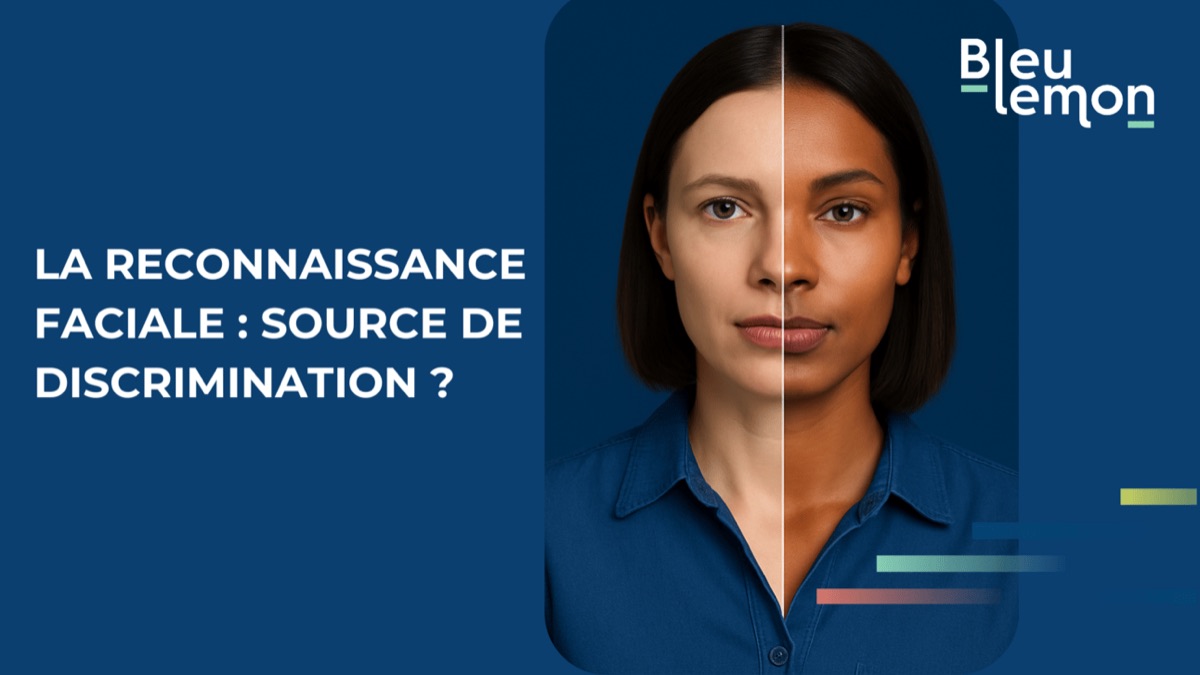
The rise of artificial intelligence has been accompanied by the growing use of facial recognition. Put together, these two technologies can create discrimination problems. Joy Buolamwini, an American-Ghanaian researcher, revealed worrying shortcomings in certain pieces of software. She demonstrated that some algorithms struggled to identify women’s faces and darker skin.
Databases that are not representative enough
The origin of these problems probably lies in the way algorithms learn from insufficiently diverse databases. If those data sets do not adequately reflect human diversity, black women in particular, the machine risks being poorly trained.
This finding underlines the deep ethical concerns surrounding the growing use of artificial intelligence in society, and the imperative of placing human values and non-discrimination at the centre of any technological innovation.
In 2017, the Commission nationale de l’informatique et des libertés (CNIL), the French data protection authority, had already warned programmers of the risk that artificial intelligence would reflect, or even amplify, the discrimination that already exists in our society.
3. Algorithmic bias and risks to employment
The Amazon example and applications from women
Researchers today identify the risk of discrimination as one of the main vulnerabilities of artificial intelligence. AI algorithms tend to freeze racist or sexist stereotypes in place. This was strikingly illustrated by Amazon’s former recruitment algorithm. Analysts found that the programme, built on an automated scoring system, penalised applications that referred to women. Discriminatory biases of this kind in artificial intelligence systems originate largely in the data sets these AI systems are trained on, in this case CV databases of past applicants who were mostly men.

Biased data and the reproduction of inequality
Two categories of bias can be distinguished in AI: algorithmic bias and societal bias. In the first case, AI systems are trained on biased data. And in particular on data biased by AI itself. If an AI feeds on content it has produced, the bias risks being amplified. In the second case, societal biases are rooted in prejudice and stereotypes anchored in the collective unconscious.
That makes them hard to detect and therefore hard to correct, and it points to the major importance of auditing and preparing data rigorously upstream, so as to identify and reduce these "weak signals" before they harden into proven discrimination.
4. Deepfakes and the manipulation of information
A threat to the truthfulness of information
As the internet giants tighten their grip on our digital and real lives, advances in artificial intelligence sharpen that dominance, often in the service of political ideologies or lobbies. Deepfakes are the product of sophisticated algorithms such as Generative Adversarial Networks (GAN). These tools make it possible to manipulate videos and images, and even to generate extremely realistic false information.

Deepfake of Donald Trump
Towards regulation of these technologies
Trust is the bedrock of our social and institutional interactions, and as these growing dangers erode it, the large technology companies are trying to counter deepfakes by using AI themselves. Collective intelligence and regulation designed for the task will be needed to navigate these troubled waters.
The CNIL has stated its intention to create a legislative and regulatory framework for facial recognition.
Conclusion
The rise of artificial intelligence raises crucial questions about protecting the truth, protecting privacy and fighting discrimination of every kind. As the technologies keep progressing, it is becoming imperative to develop robust regulation and control mechanisms in order to minimise the risks inherent in these tools. The future of AI will depend on our ability to balance the potential benefits against protection from abuse, and so to secure a safer and more ethical digital future for everyone.